
The Importance of Scale and Proportion in Interior Design
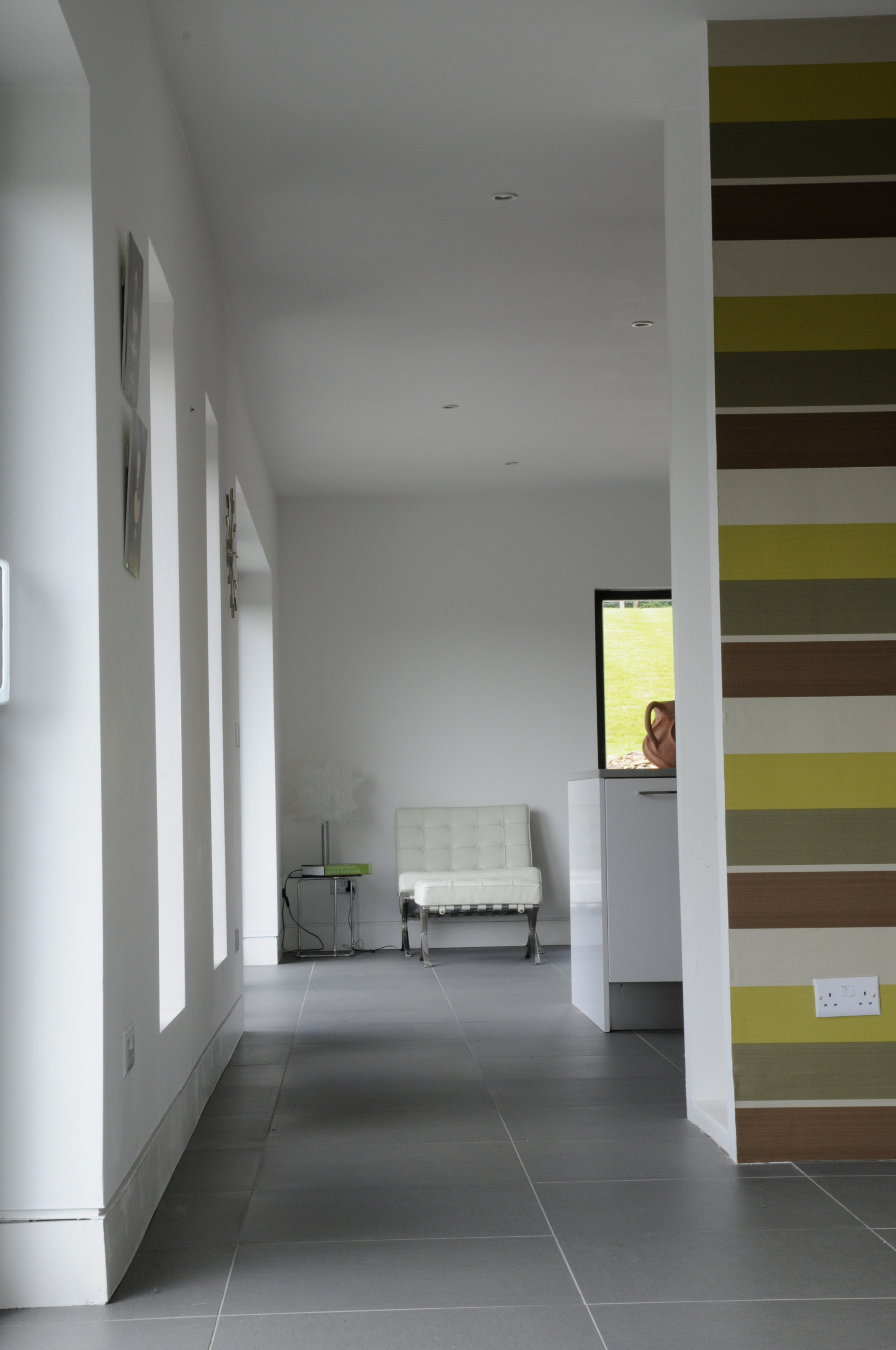
Creating a beautiful interior is not only about choosing the right colours, fabrics, or furniture — it is also about achieving balance within a space. Two of the most important principles in
interior design are scale and proportion. When these elements are
thoughtfully considered, a room feels comfortable, functional, and visually
harmonious.
What Is Scale in Interior Design?
Scale refers to the size of objects
within a space and how they relate to the room itself. Every piece of
furniture, lighting, artwork, and décor should feel appropriate for the
dimensions of the room. For example, a large sectional sofa
may overwhelm a small sitting room, while a tiny coffee table can appear lost
in a spacious open-plan living area. Choosing furniture that suits the size of
the room creates a sense of balance and flow. High ceilings may benefit from taller
cabinetry, statement lighting, or oversized artwork to draw the eye upward and
make the space feel connected. In contrast, smaller rooms often feel more
comfortable with lighter furniture, slimmer profiles, and carefully edited
décor.
Understanding Proportion
Proportion focuses on how individual
elements relate to one another within a space. It considers the relationship
between shapes, heights, widths, and visual weight. A room feels cohesive when furniture
and accessories work together proportionally. For example:
A large dining table should be paired with appropriately sized chairs and lighting.
Oversized cushions on a compact sofa can feel awkward and heavy.
Small bedside tables beside a large bed may look unbalanced and impractical.
Good proportion helps create visual harmony, allowing each element to complement rather than compete with one another.
Why Scale and Proportion Matter
Comfort and Functionality
Well-scaled interiors improve how a
room functions. Furniture should allow for easy movement and practical use
while still feeling comfortable within the space. Rooms that ignore scale can feel
cramped, empty, or difficult to navigate. Thoughtful planning ensures there is
enough circulation space while maintaining warmth and character.
Visual Balance
Balanced interiors naturally feel
calmer and more inviting. Proper proportion helps distribute visual weight
evenly throughout a room, preventing one area from feeling too heavy or
overcrowded.
This balance can be achieved through:
- Layering different furniture heights
- Mixing large and small accessories
- Creating symmetry where appropriate
- Allowing negative space for the room to breathe
The Role of Lighting and Accessories
Scale and proportion extend far beyond furniture. Lighting, rugs, artwork, and accessories all contribute to the overall balance of a room. A rug that is too small can make a
seating area feels disconnected, while oversized pendant lighting in the correct
setting can create drama and elegance. Artwork should also suit the wall space
around it, neither appearing too small nor overpowering the room. Accessories are often most effective
when grouped in varying heights and sizes to create interest without clutter.
Creating Harmony in Your Home
Every home is unique, which is why
understanding scale and proportion is so important during the design process. A
beautifully designed room is not necessarily filled with expensive furniture —
it is a space where every element feels considered and connected.
At Anna Finnegan Design, we carefully
assess each room to ensure furniture layouts, materials, lighting, and
decorative elements work harmoniously together. By paying attention to scale
and proportion, we create interiors that not only look beautiful but also feel
comfortable, functional, and timeless.
When these principles are applied correctly, even the simplest spaces can feel effortlessly elegant and well
balanced.