
Key Interior Design Trends for 2026
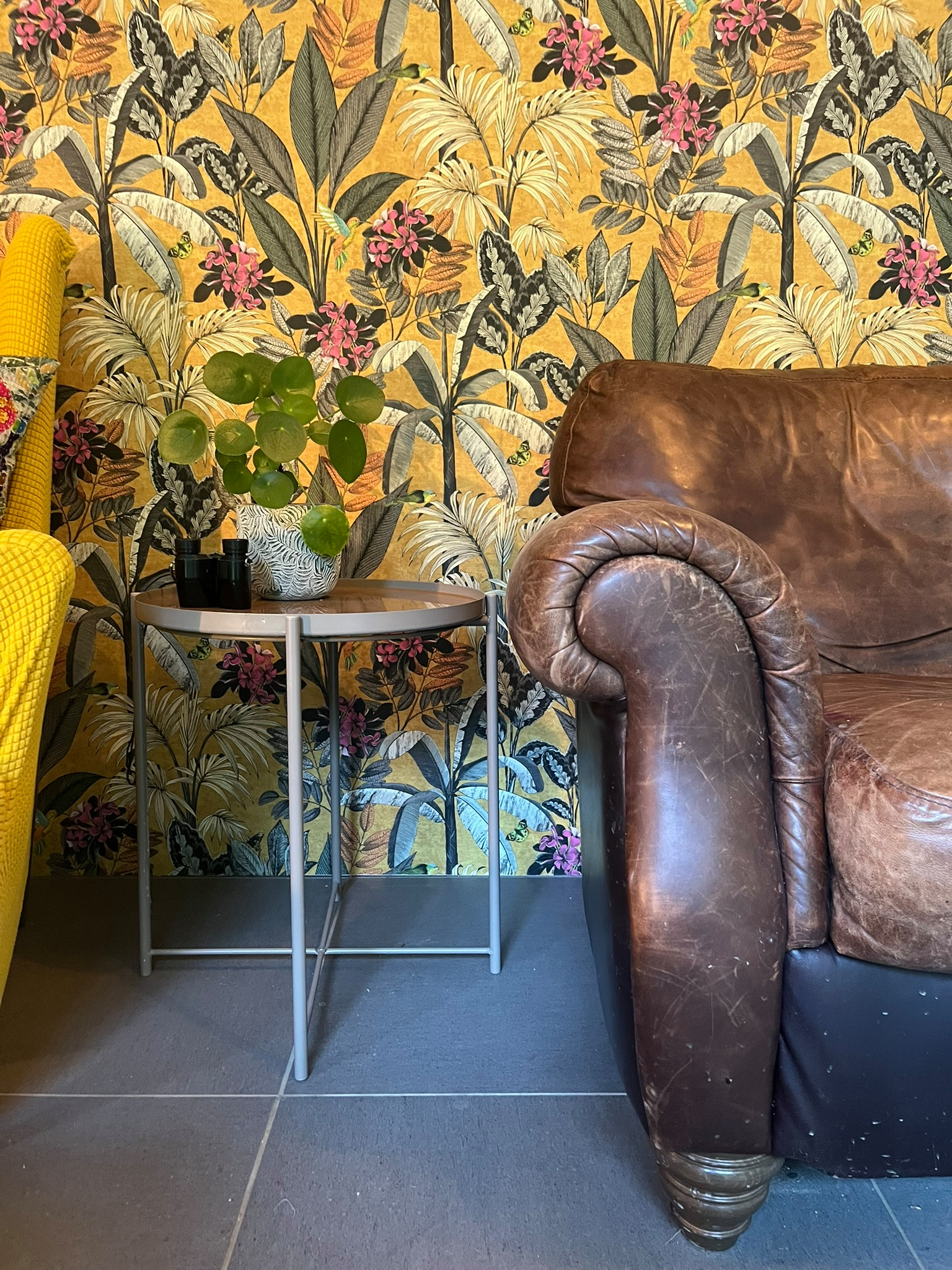
Below are the key trends shaping interiors this year, and how they can be thoughtfully incorporated into your home.
1. Warm, Earthy Colour Palettes
Cool greys and stark whites are making
way for warmer, more inviting tones. Think soft taupes, terracotta, olive
greens, and rich browns—colours that bring depth and comfort into a space.
These palettes create a sense of calm
and connection, particularly when paired with natural materials such as timber,
linen, and stone. The result is a home that feels both sophisticated and
effortlessly liveable.
2. A Shift Towards “Lived-In” Interiors
Perfectly styled, minimal spaces are
being replaced with interiors that feel collected over time. This “lived-in”
aesthetic embraces layering—artwork, textiles, books, and meaningful
objects—creating a home that tells a story.
Rather than striving for perfection,
the focus is now on authenticity and comfort.
3. Curves, Soft Forms & Sculptural Shapes
Furniture design in 2026 is softer and
more fluid. Curved sofas, rounded edges, and sculptural silhouettes are
replacing rigid lines, helping to create a more relaxed and inviting
atmosphere.
These shapes not only enhance comfort
but also bring a subtle architectural quality to everyday furniture pieces.
4. Craftsmanship & Handmade Details
There is a strong return to
craftsmanship and artisanal design. Handcrafted pieces, textured finishes, and
decorative details—such as fluted wood, embroidered textiles, and painted
surfaces—are becoming focal points within interiors.
This trend celebrates individuality
and adds depth, character, and a sense of uniqueness to a space.
5. Mixing Old and New (Modern Heritage)
One of the most defining trends of
2026 is the blending of traditional and contemporary elements. Classic
architectural features and vintage pieces are being paired with modern
furniture and finishes.
This approach creates timeless
interiors that feel curated rather than styled—balancing nostalgia with modern
living.
6. Natural Materials & Biophilic Design
Bringing the outdoors in continues to
be a key influence. Natural materials such as wood, stone, and organic textiles
are being used to create calming, grounded environments.
In addition, real plants and natural
light are prioritised over artificial substitutes, reinforcing a deeper
connection to nature.
7. Statement Surfaces & Texture
Flat, uniform finishes are being replaced by rich, tactile surfaces. From fluted cabinetry and textured walls to expressive stone and decorative tiles, texture is playing a central role in
adding visual interest.
These elements bring depth and
dimension, elevating even the simplest of spaces.
8. Thoughtful Maximalism
Minimalism is evolving rather than
disappearing. In its place, we are seeing a more considered approach—often
referred to as “thoughtful maximalism.”
This involves layering patterns,
colours, and objects in a way that feels curated rather than cluttered. It’s
about personality, not excess.
9. Wellness & Sensory Design
Design is no longer purely visual.
There is a growing emphasis on how a space feels—through lighting, acoustics,
and even scent.
Emerging concepts such as
“scentscaping” highlight how fragrance can enhance mood and create a more
immersive environment within the home.
10. Smaller, More Intentional Living Spaces
Oversized furniture and overly
expansive layouts are being reconsidered. Instead, there is a move towards more
intimate, functional spaces that encourage connection and comfort.
This shift reflects a broader focus on
quality of space rather than quantity.
Final Thoughts
Interior design in 2026 is less about
trends in the traditional sense and more about creating meaningful, enduring
spaces. Warmth, texture, craftsmanship, and individuality are at the heart of
this shift.
The most successful interiors this
year will be those that feel personal, considered, and deeply connected to the
people who live in them.